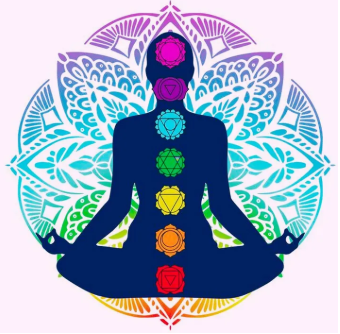
Meditation is a simple practice to calm the mind, improve focus, and achieve inner peace. Learn the meaning, types, benefits, and how to practice meditation daily.
✱ What Is Meditation? Simple Explanation for Beginners
Meditation is a natural practice that helps calm the mind, improve focus, and create inner peace.
It is the process of gently training your attention to stay present instead of getting lost in stress, overthinking, or distractions.
Meditation does not mean stopping thoughts forcefully.
It means observing thoughts calmly and returning attention to the present moment, usually through breath or awareness.
In modern life, meditation is used as a daily mental wellness practice to support clarity, emotional balance, and relaxation.
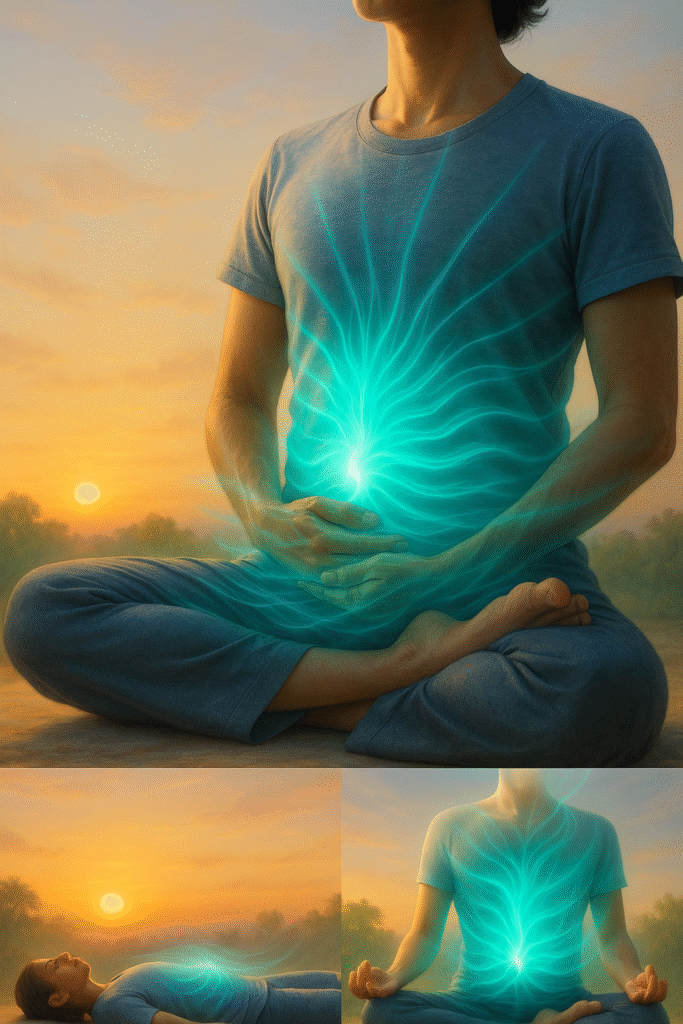
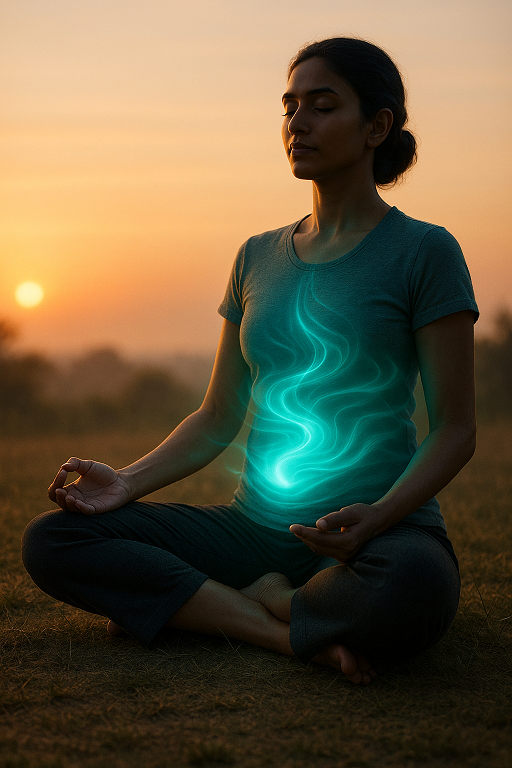
✤ Why Meditation Is Important Today?
Today’s lifestyle often leads to:
- Mental stress and anxiety
- Constant overthinking
- Poor sleep quality
- Emotional imbalance
Meditation helps slow down mental activity and allows the nervous system to relax naturally.
With regular practice, it supports a calm, balanced, and focused mind.
✤ How to Practice Meditation Daily (Step-by-Step)
Step 1: Choose a Quiet Place
Select a calm, distraction-free area where you can sit comfortably.
Do some sukshma yoga and strachings.
Step 2: Sit Comfortably
You can sit on a chair, cushion, or floor on asana mat . Keep your spine straight but relaxed.
Step 3: Close Your Eyes Gently
Relax your facial muscles and soften your breathing.
Step 4: Focus on Your Breath
Simply observe your inhalation and exhalation.
Don’t try too hard — just allow it to flow naturally.
Step 5: Let Thoughts & Noise from aroundCome and Go
Thoughts & Noise will appear, but don’t engage with them.
Allow them to pass like clouds.
Step 6: Begin With 5–10 Minutes
Gradually increase to 15–20 minutes daily.
Step 7: End Slowly
Take a deep breath, open your eyes gently, and come back to awareness.

✤ Benefits of Meditation (Advantages)
1) Mental Benefits
- Reduces stress, anxiety, and overthinking
- Improves focus, clarity, and productivity
- Enhances memory and learning ability
- Promotes emotional stability
2) Physical Benefits
- Lowers blood pressure
- Improves sleep quality
- Relaxes the nervous system
- Reduces fatigue and tension
3) Emotional & Spiritual Benefits
- Increases mindfulness and self-awareness
- Deepens inner peace
- Promotes positive thoughts
- Helps connect with your true self
4) Lifestyle Benefits
- Improves decision-making
- Builds mental discipline
- Encourages positive thinking
- Creates balanced daily routine

✤ Key Characteristics of Meditation
- Simple and requires no equipment
- Can be practiced anywhere
- Suitable for all age groups
- Helps silence mental noise
- Promotes long-term mental well-being
- Works slowly but effectively
- Builds discipline, patience, and clarity
✤ Types of Meditation: Beginner Meditation & Advanced Meditation (Complete Guide)
Meditation includes many techniques, but based on difficulty level, focus depth, and experience, all meditation types can be clearly divided into two main categories:
- Beginner Meditation
- Advanced Meditation
This classification helps users choose the right meditation practice according to their level, making it safer, easier, and more effective
✤ Beginner Meditation Types List
1) Breath Awareness Meditation
This meditation focuses on observing natural breathing without controlling it.
2) Guided Meditation
In guided meditation, instructions are given through audio or voice guidance.
3) Body Scan Meditation
This technique involves moving attention slowly through different parts of the body.
4) Mantra Awareness Meditation
A simple word or sound is repeated silently to keep the mind focused.
5) Loving-Kindness Meditation
Focuses on generating positive and kind thoughts toward oneself and others.
6) Basic Mindfulness Meditation
Awareness is placed on the present moment, such as breath, sensations, or surroundings.
✤ Advanced Meditation Types List
1) Silent Meditation
Practiced without guidance, mantra, or external support
2) Deep Mindfulness Meditation
Observing thoughts, emotions, and sensations deeply without reaction.
3) Insight-Based Observation Meditation
Practitioner observes inner experiences as a neutral witness
4) Chakra Awareness Meditation
Focus is placed on internal energy awareness points.
5) Deep Concentration Meditation
Sustained focus on a single point for an extended time.
6) Witness Consciousness Meditation
Thoughts and emotions are observed without identification.
 Best Time to Do Meditation
☑ Early Morning (Highly Recommended)
The mind is fresh, the environment is quiet, and distractions are minimum.
☑ Evening Meditation
Helps release stress and calm the mind after a busy day.
☑ Before Sleeping
Useful for people who struggle with overthinking or insomnia.
☒ Avoid Meditation
- Immediately after eating
- When extremely sleepy
- In noisy or crowded places
✤ Beginner vs Advanced Meditation
| Beginner Meditation | Advanced Meditation |
|---|---|
| Easy to learn | Requires experience |
| Short duration | Longer duration |
| Often guided | Mostly unguided |
| Relaxation focused | Awareness mastery |
| Suitable for all | For experienced only |
✤ Conclusion
Meditation types can be clearly divided into two levels:
- Beginner Meditation – builds the foundation
- Advanced Meditation – develops depth and mastery
The safest and most effective approach is to start with beginner meditation and progress naturally toward advanced practices.
✤ Meditation – Frequently Asked Questions (FAQ)
1) What is Meditation?
Meditation is a mental practice that helps you focus, relax, and become aware of your thoughts and emotions. It trains the mind to stay calm and present.
2) How long should I meditate each day?
Beginners can start with 5–10 minutes, and gradually increase to 15–20 minutes per session for best results.
3) When is the best time to meditate?
Early morning is ideal because the mind is naturally calm, but you can meditate in the evening or before sleep to release stress.
4) Do I need to sit cross-legged to meditate?
No. You can meditate sitting on a chair, on the floor, or even lying down.
The only requirement is to keep your spine straight and your body relaxed.
5) Why do thoughts come during meditation?
Thoughts coming into your mind is completely normal. Meditation does not stop thoughts — it teaches you not to react to them.
6) Can meditation reduce stress and anxiety?
Yes. Meditation activates the body’s relaxation response, lowering stress hormones and calming the nervous system.
7) How long does it take to see results from meditation?
Most people feel improvement in 7–14 days with daily practice — better sleep, more focus, and reduced stress.
8) Is meditation safe for everyone?
Yes, meditation is safe for all ages. People with emotional stress, anxiety, or busy lifestyles benefit the most.
9) Can I meditate after eating?
It’s better to meditate on an empty or light stomach.
Avoid meditation right after heavy meals, as it makes you sleepy.
10) Do I need a teacher for meditation?
Not necessary. Many people practice on their own.
However, beginners may find guided meditations helpful.
11) What should I do if I feel sleepy while meditating?
Sit with a straight spine, keep your eyes slightly open, or try morning meditation when your mind is fresh.
12) Can meditation help with anger and emotional control?
Yes. Meditation increases self-awareness and calmness, helping you respond to emotions instead of reacting instantly.
13) Is meditation related to any religion?
No. Meditation is a universal practice used for mental and emotional well-being. Anyone can do it.
14) Which meditation is best for beginners?
- Breath Awareness Meditation
- Mindfulness Meditation
- Guided Meditation
These are simple, effective, and easy to follow.
15) Can meditation improve sleep?
Yes. Meditation reduces mental noise and relaxes the body, making it easier to fall asleep naturally.
16) Should I meditate with music?
Soft instrumental music or nature sounds can help beginners relax.
But traditional meditation is done in silence.
17) Can meditation increase focus and productivity?
Definitely. Meditation trains the mind to concentrate better, stay present, and avoid distractions.
18) Can I meditate if I have anxiety or depression?
Yes, but do it gently. Meditation helps reduce anxiety and improves mood.
For severe cases, use it along with professional treatment.
19) How do I know if my meditation is working?
You’ll notice:
- Calm mind
- Better sleep
- Less overthinking
- Improved focus
- More emotional stability
20) Can children meditate?
Yes. Simple breathing exercises and short mindful moments are very effective for kids.